Reliable Stormwater Solutions: Shield Your Building From Water Damage
Reliable drainage setup solutions play an vital role in protecting properties from water damage. Well designed systems can channel excess water away from foundations, helping to prevent serious issues such as flooding and mildew formation. However, many homeowners neglect the value of these systems until problems emerge. Learning how to recognize common causes of water damage and knowing the key solutions available can make all the difference. What factors should homeowners evaluate to assure their properties remain protected?
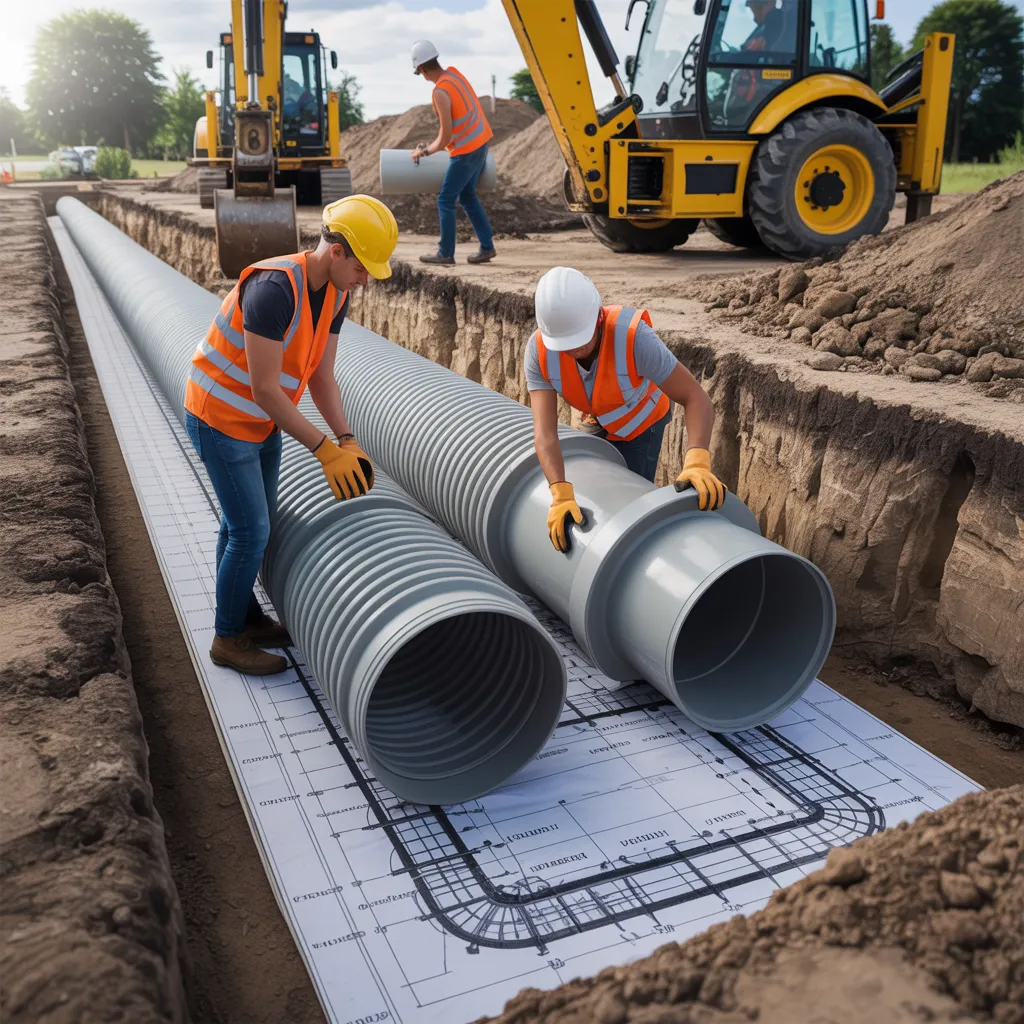
Determining Standard Contributors to Water Damage
Identifying frequent origins of water damage is vital for effective prevention and mitigation. Various causes can lead to water-related problems in properties, each needing distinct attention. Leaky roofs often permit rainwater to seep in, producing structural damage and mold growth. Broken pipes, due to aging or physical damage, can release considerable amounts of water, affecting walls and floors severely. Additionally, poor sealing around windows and doors can lead to vulnerabilities during heavy rainfall. Basements, when improperly waterproofed, are especially at risk to flooding, especially in regions exposed to heavy storms. Clogged gutters can also worsen the issue by directing water toward the foundation instead of away from it. Recognizing these common causes helps property owners to adopt proactive measures, ultimately securing their homes and minimizing the risk of expensive repairs and health hazards related to water damage.
Understanding the Importance of a Proper Drainage System
A efficient drainage system is vital for maintaining the stability of a property and avoiding water-related issues. Proper drainage diverts water away from foundations, minimizing the risk of structural damage and mold growth. It is essential for safeguarding landscaping because overabundant water can damage soil and injure plants. A effective drainage system also manages stormwater, reducing the likelihood of flooding and protecting local waterways from pollution.
Also, effective drainage systems aid in the overall visual character of a property by mitigating unsightly puddles and water accumulation. Homeowners and property managers must give priority to the setup and maintenance of drainage solutions appropriate for their distinct environment. This proactive strategy not only enhances property value but also guarantees a safe and healthy living space. Understanding the importance of a good drainage system is the first step in achieving extended protection against water damage.
Vital Water Extraction Methods for Optimal Aquatic Control
While different drainage solutions are available, choosing the right ones is critical for effective water management. A well-designed drainage system can mitigate water accumulation, causing to reduced risk of flooding and structural damage. Key solutions include French drains, which push groundwater away from foundations, and surface drains, designed to collect water from paved surfaces. Additionally, downspout extensions direct roof runoff away from the property, while swales can help manage surface water flow through landscaping.
The setup of a sump pump can further protect basements from flooding by removing excess water. Rain gardens are further an environmentally friendly alternative, enabling water to be naturally absorbed while enhancing the setting. Each of these solutions plays a key role in controlling water flow and protecting properties from potential damage. Using a mix of these drainage measures can result in an comprehensive approach to effective water management.
Selecting the Best Drainage Solutions for Your Home
When choosing drainage solutions for a home, it is essential to recognize common drainage issues that may occur. Understanding these problems helps homeowners select effective options tailored to their specific needs. By addressing potential challenges, they can ensure a reliable and efficient drainage system.
Typical Moisture Challenges
Many property holders encounter common drainage problems that can result in notable property damage if not addressed quickly. Poor grading around the foundation often leads to water pooling near the home, enhancing the chance of basement leaks. Clogged gutters and downspouts can also worsen drainage problems by failing to properly direct water away from the property. Additionally, improper drainage systems or absence of drainage solutions can cause overabundant moisture in yards, leading to erosion and damage to landscaping. In some cases, tree roots can infiltrate drainage pipes, causing blockages and backups. Recognizing these issues early is important for homeowners to put in place effective solutions, safeguarding their properties from the long-term effects of water damage.
Successful Water drainage Solutions
Selecting the appropriate water drainage system is vital for keeping a healthy home environment. Homeowners have various options to take into account, including French drains, channel drains, and surface drains, each designed to address specific water management needs. French drains, often installed underground, effectively redirect water away from foundations, while channel drains address surface runoff in areas prone to pooling. Surface drains, typically placed in low areas, hold excess water and convey it toward appropriate outlets. Additionally, homeowners should evaluate their landscape's slope and soil type to decide on the most productive system. Consistent maintenance of these drainage systems is essential to guarantee they function at their best, guarding the property from potential water damage and preserving its structural integrity.
When Should You Consider Improving Your Drainage? Discover How to Identify the Signs
The performance of a drainage system can substantially shape structural integrity and environmental sustainability. Homeowners need to be observant for signals demonstrating that an upgrade may be essential. One telling indicator is persistent water accumulation in gardens or cellars after heavy precipitation. This suggests that the existing drainage mechanism may be overloaded or inadequately engineered.
Furthermore, regular soil loss or debris buildup around landscaping features can signal insufficient drainage capacity. If water frequently accumulates near the base, it can jeopardize structural integrity and result in expensive deterioration. Noticing an rise in fungus or mildew in basements or crawl spaces can also be a red flag, as it indicates excessive moisture retention.
In conclusion, if current drainage systems demand constant repairs and upkeep, it may be more economical to invest in a comprehensive upgrade. Spotting these warning signs early on can safeguard both property and investment from possible water-related damage.
Upkeep Recommendations for a Properly Operating Drainage System
Recognizing the indicators that a drainage system needs an overhaul can lead property owners to prioritize maintenance for existing systems. Frequent evaluations are essential, permitting the early detection of clogs, leaks, or deterioration. Landowners should verify that gutters and downspouts are devoid of buildup, as blockages can result in water spill and structural damage. Additionally, examining adequate grading on the grounds can help direct runoff away from buildings.
Routine maintenance of drainage channels and French drains prevents buildup that causes ineffective drainage. It is also prudent to review and maintain sump pumps to confirm they function during heavy rainfall. Finally, monitoring vegetation growth near drainage areas can prevent roots from penetrating and causing blockages. By applying these upkeep strategies, property owners can boost the functionality of their drainage systems and safeguard their properties from water-related issues.
Benefits of Committing funds to Effective Drainage Systems
Investing in effective drainage solutions not only improves property value but also protects against potential water damage. Proper drainage solutions reduce risks connected with flooding, erosion, read the facts and mold growth, which can have catastrophic effects on structures and landscapes. By directing water away from foundations and critical areas, property owners can prevent costly repairs and guarantee long-term stability.
Furthermore, proper water management systems contribute to better soil conditions and outdoor appearance, promoting superior development for yards and planting areas. This can result in a more visually appealing setting and boost overall property appearance. Additionally, many insurers provide lower rates for homes featuring effective water management, further enhancing the financial benefits of such investments.
Regularly Asked Questions
How much will you expect to spend for drain system installation?
The standard expense for installing a drainage system varies from $1,500 to $5,000, determined by multiple factors such as property size, soil type, and how complex the system is. Homeowners must obtain quotations from multiple sources for accurate budgeting.
Would I be able to implement a drainage system myself?
Yes, a drainage infrastructure can be positioned by an operator with fitting competencies and apparatus. However, it involves careful forethought and comprehension of local building codes to guarantee results and accordance with guidelines.
What Permits Are Essential for Installing Drainage?
Local codes often necessitate licenses for installing drainage. Homeowners should reach out to their local government body to determine specific permit conditions, which may differ based on property type, drainage system complexity, and environmental considerations. Compliance ensures legal and effective installation.
What Is the average duration of drain systems?
Drainage systems frequently serve between 30 to 50 years, dependent upon materials, installation quality, and maintenance. Systematic inspections and efficient repairs can dramatically extend their lifespan, providing effective performance over time.
What Are Warnings of Compromised Water Dispersal in My Yard?
Inadequate drainage symptoms in a yard display persistent puddles, water accumulating near the foundation, soggy soil, mold growth, and stunted plant growth. These signs suggest inadequate water management and potential risk for property damage.